
Khaled A. Beydoun
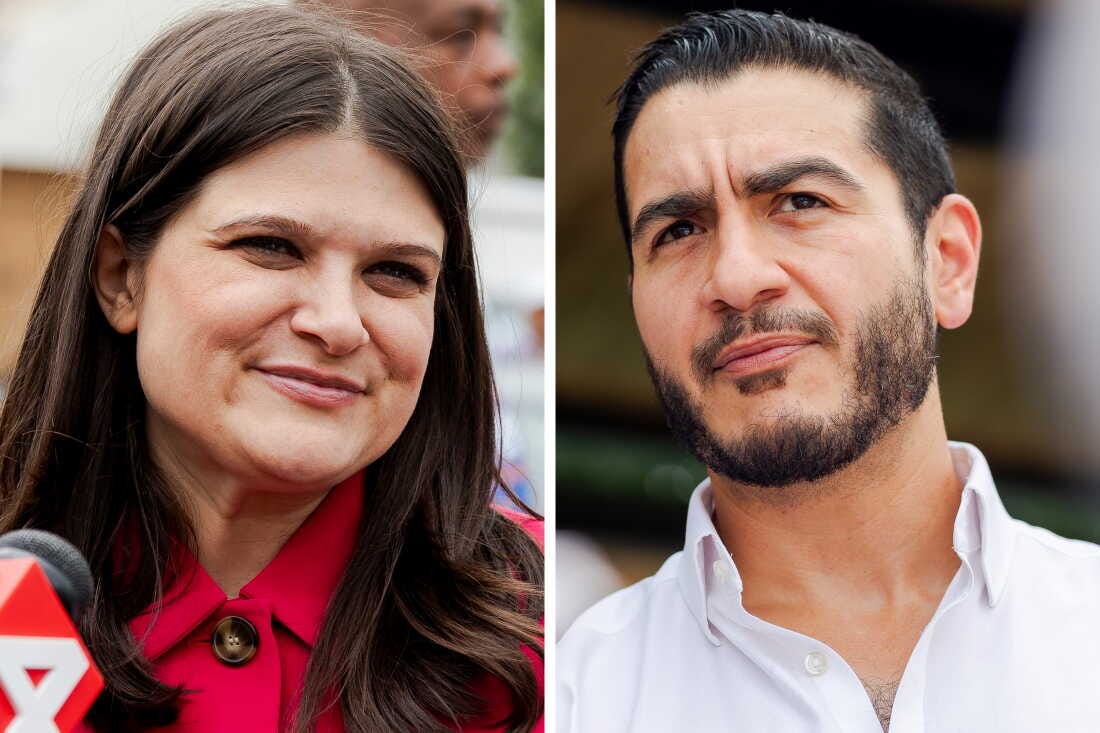
The Michigan Senate race has become a referendum on Islamophobia. Abdul El-Sayed, a Muslim doctor who has captured the imagination of Michigan and the nation, is the principal target. However, El-Sayed is not only being demonized by the rightwing, but in the final days of this election cycle, familiar voices on the Democratic Party.
Michigan’s Senate race has brought this bipartisan Islamophobia into full view.
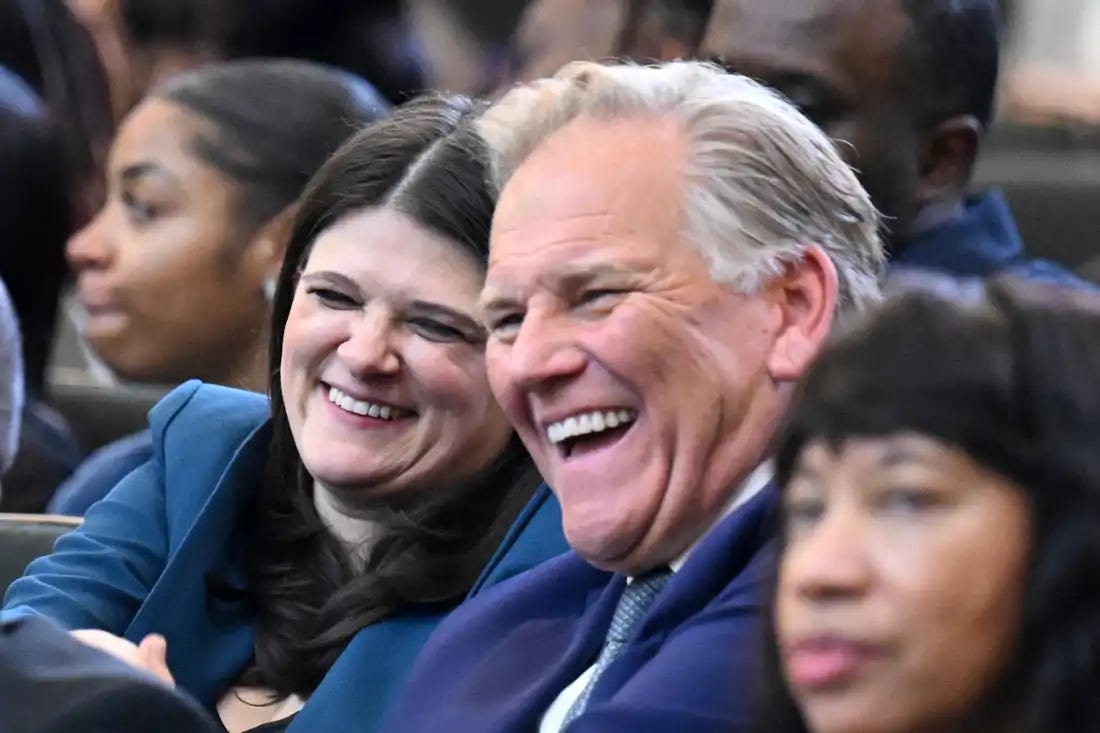
On November 1, Representative Haley Stevens, who lost the Democratic Senate primary to El-Sayed, endorsed Republican Mike Rogers over her own party’s nominee. Two days before Election Day, Stevens stood alongside a Republican candidate and declared that Democrats “can’t stand with hate.” Her justification centered on El-Sayed’s associations with political commentator Hasan Piker and an advertisement produced by Rebellion PAC that criticized American military assistance to Israel.
The decision was remarkable, but the politics behind it were familiar.
For months, El-Sayed’s candidacy has been subjected to a particular kind of scrutiny. His positions on Gaza, his criticism of Israeli government policy, and his associations with outspoken political figures have become central to debates about his fitness for public office. His political opponents have attempted to transform disagreements over foreign policy into questions about his character, patriotism, and judgment.
Stevens is entitled to criticize El-Sayed. Antisemitism is real, and no political movement should excuse rhetoric that targets Jewish people. But there is a difference between confronting antisemitism and making a Muslim candidate’s political legitimacy contingent on his willingness to satisfy the demands of pro-Israel political interests.
That distinction matters.
More than 1,000 Jewish Michiganders signed a letter supporting El-Sayed. Their endorsement challenges the manufactured assumption that supporting Palestinian rights and opposing antisemitism are incompatible political positions. Jewish Americans, like Muslim Americans, hold diverse views on Israel, Palestine, and American foreign policy.
Yet the controversy surrounding El-Sayed illustrates how Muslim candidates are frequently subjected to a different standard. Their associations are scrutinized, their political language dissected, and their religious identities transformed into questions of national loyalty.
This is not new. The War on Terror established a political culture in which Muslim Americans were expected to continually demonstrate that they were moderate, patriotic, and sufficiently distant from those deemed extremist. That framework did not disappear when Muslims entered electoral politics. It adapted.
Today, El-Sayed is increasingly expected to prove that he is not antisemitic, not radical, not sympathetic to extremism, and not too critical of American foreign policy.
Stevens’s endorsement of Rogers makes this contradiction particularly visible. By abandoning her party’s nominee for a Republican who has participated in a political environment where El-Sayed’s Muslim identity has been weaponized, she has elevated an intra-party disagreement into a broader question about Muslim political inclusion.
This reveals that the Democratic Party, too, has a Muslim problem. It is not necessarily one of outright hostility toward Muslim Americans. It is something more politically convenient: a willingness to celebrate Muslim representation while questioning the legitimacy of Muslim politicians who challenge the party’s established positions. The Democratic Party cannot credibly claim to represent America’s diversity while treating Muslim political participation as conditional.
El-Sayed, through grit, intellect and a campaign that has resonated expansively, has countered that. And from the margins, forced the Party to create space for a candidate that historically would have not been deemed palatable.
The question is not whether El-Sayed should be immune from criticism. No candidate should be. It is whether Muslim Americans are entitled to the same political latitude afforded to everyone else: to criticize foreign governments, challenge party orthodoxy, maintain controversial associations, and compete for public office without having their belonging perpetually questioned.
Twenty-five years after September 11, Muslim Americans have entered the political arena. But the Michigan Senate race reveals that entering the arena and being accepted as an equal participant are two very different things.
Abdul may win the election, against the Islamophobic tide coming from right and left. Win or lose, however, it s clear that Islamophobia will remain a central part of the political playbook used by the Republican and Democratic Party moving ahead.
This sobering result is one that supersedes what may happen after November 3, 2026.
Follow Alif News, the media arm of the Islamophobia Policy Center (IPC). You can learn more about our work at www.islamophobiapolicy.org.